A Raccoon-Cat's Adventure at
Mawangdui
Miaomiao's
Han-Dynasty Quest
Follow this little Western-Han raccoon-cat on a 2,000-year-old journey through ancient China.
Start the Adventure
A Raccoon-Cat's Adventure at
Mawangdui
Follow this little Western-Han raccoon-cat on a 2,000-year-old journey through ancient China.
Start the Adventure
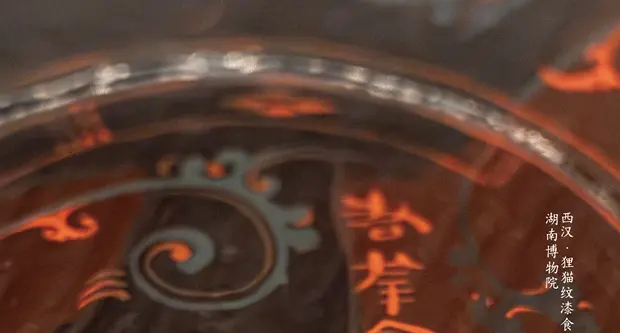
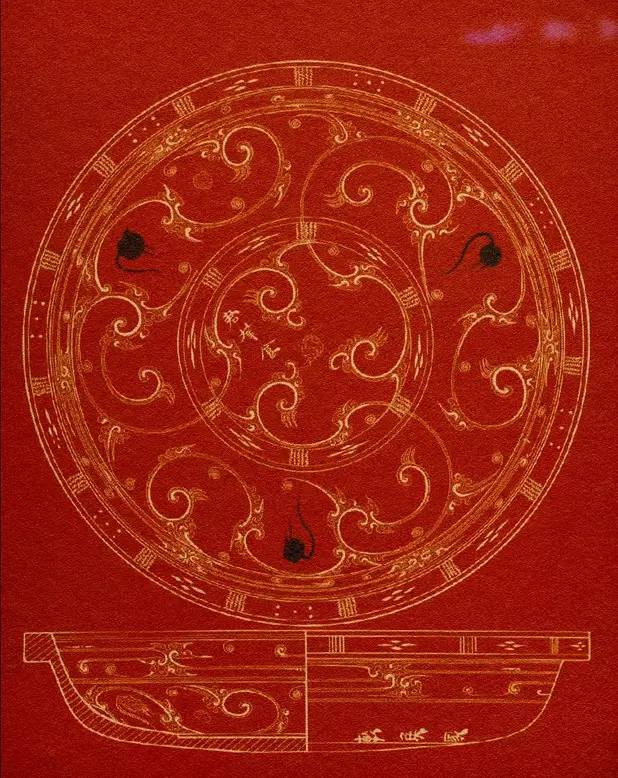
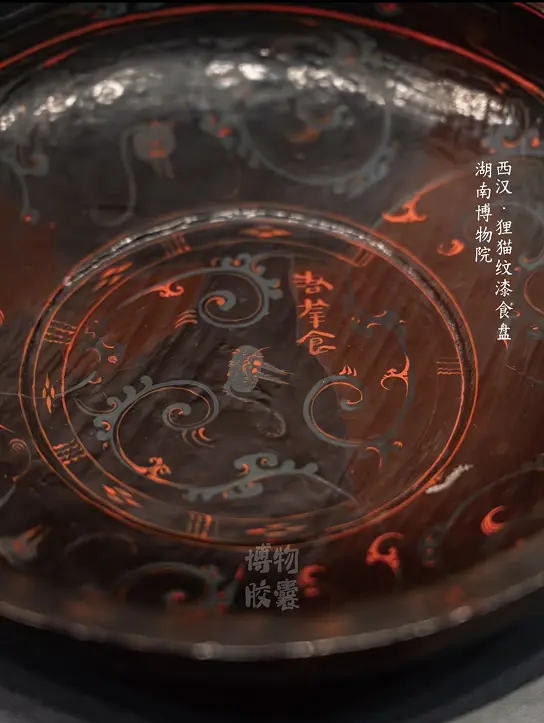
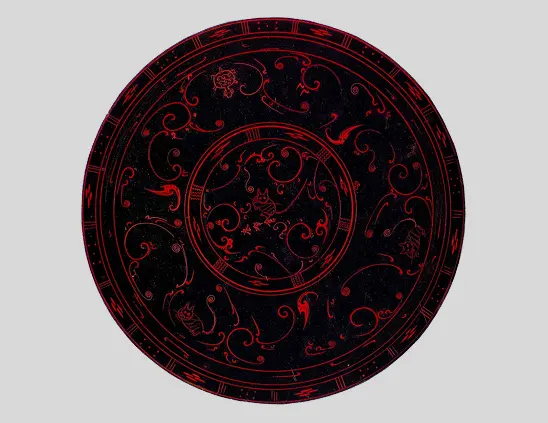
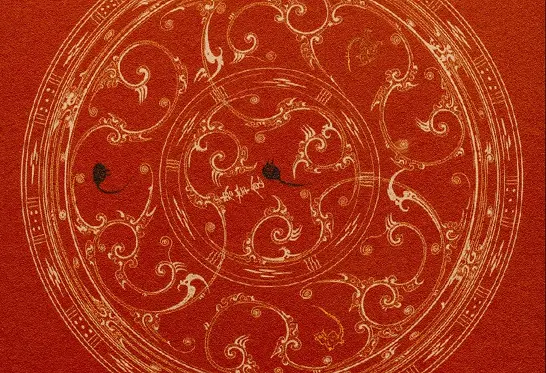
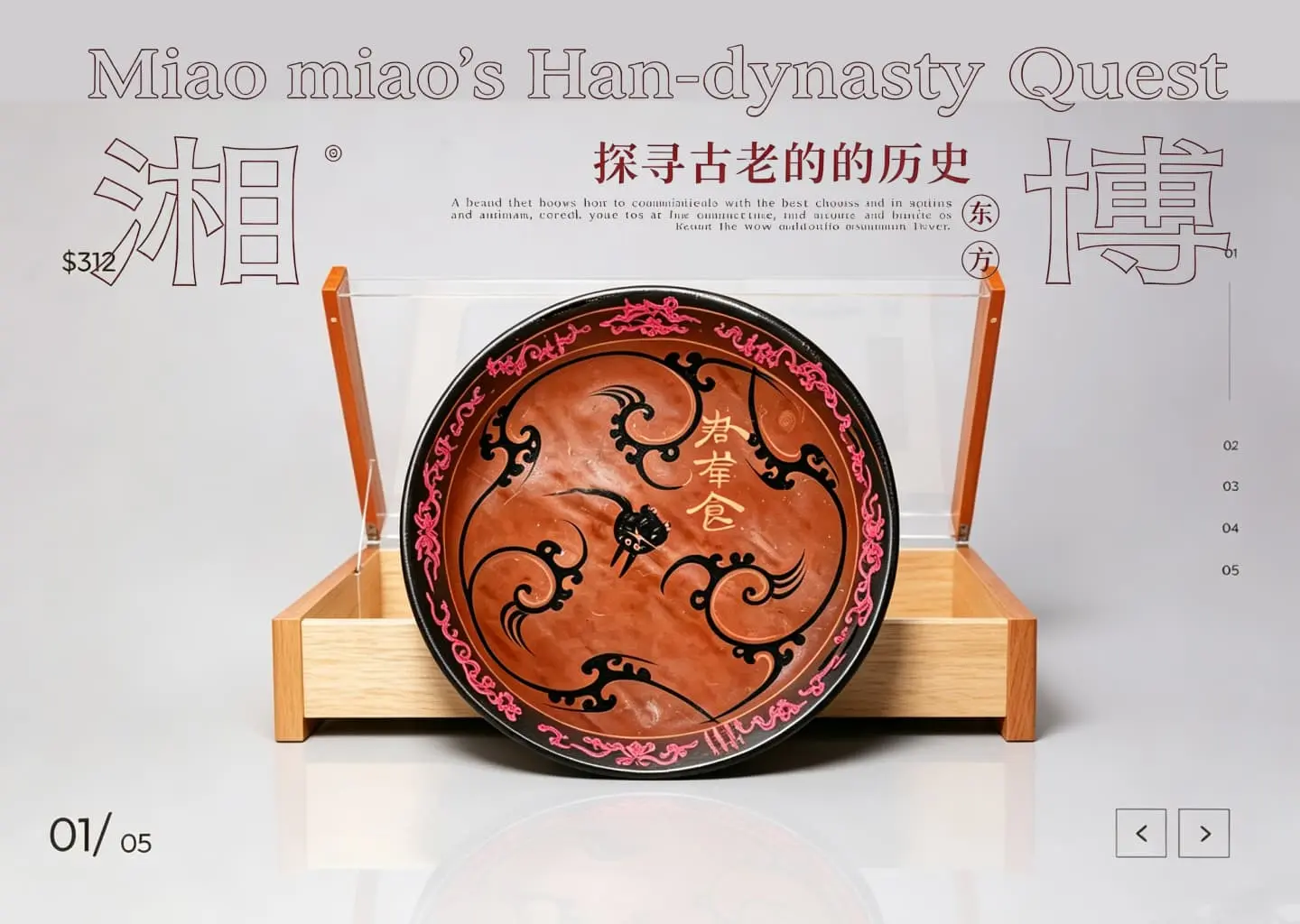
Miaomiao originates from the Western-Han lacquer food plate with raccoon-cat patterns, unearthed from Tomb No.1 of Mawangdui. The red characters “Jun Xing Shi” on the plate mean “May you enjoy your meal”, a gentle blessing from the Han people over 2,000 years ago.
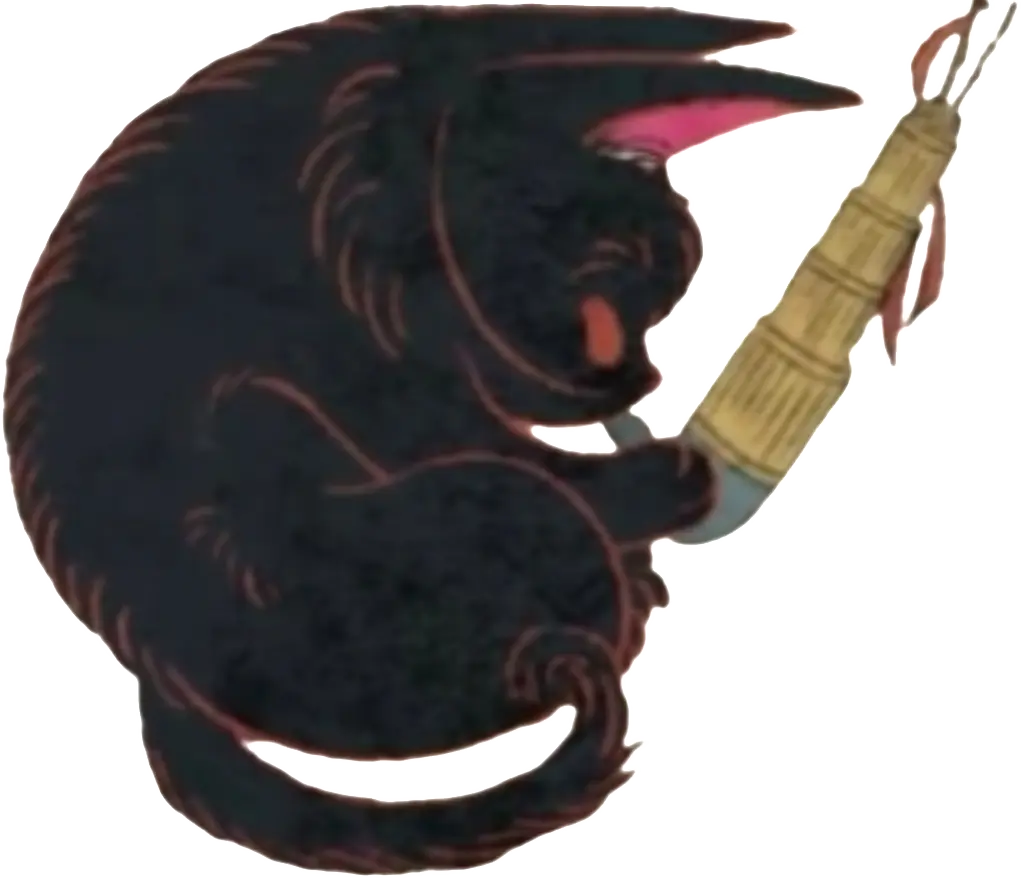
In ancient times, raccoon-cats were painted on food plates for their talent of catching rats, embodying the wish to protect food and keep rodents away. The raccoon-cat on the lacquer plate features round eyes, spread whiskers and a raised long tail, full of vitality.
Hunan Museum extracts this cultural pattern and develops the IP Miaomiao, known as Lady Xinzhu's lucky cat. This little Han-Dynasty cat travels across millennia to meet modern audiences.
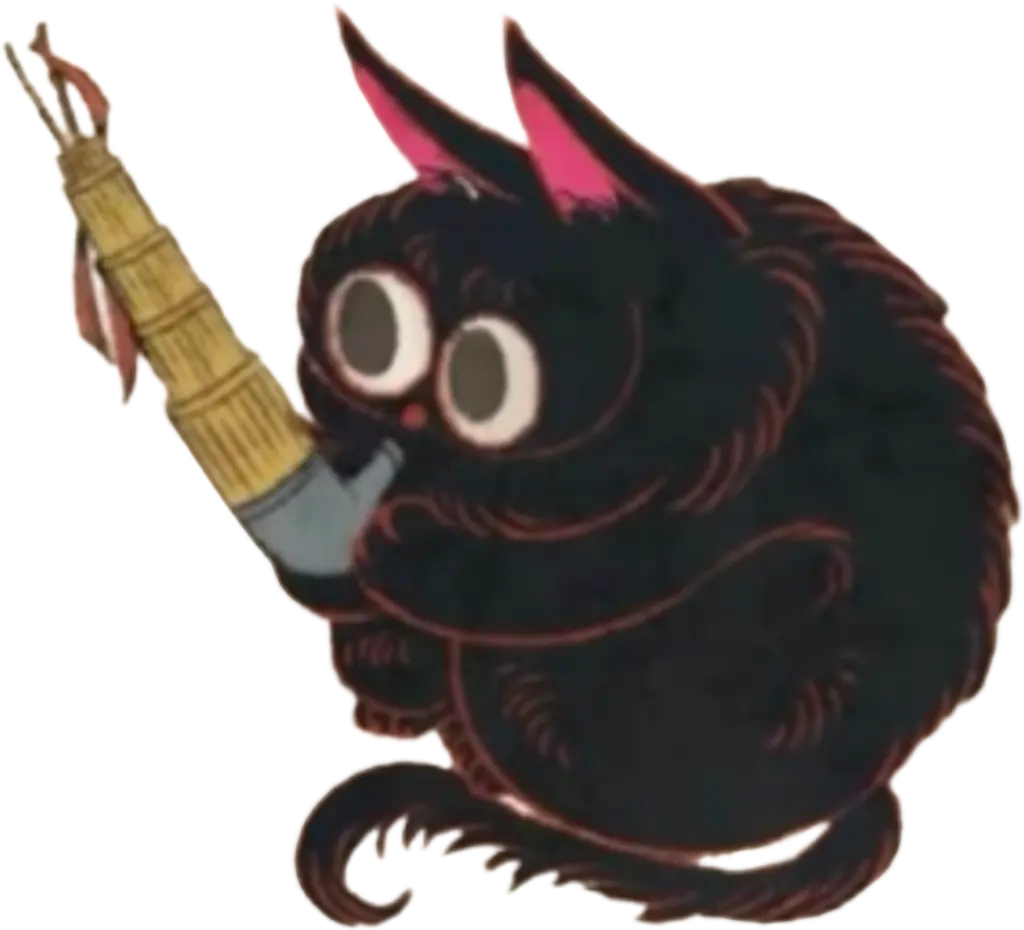
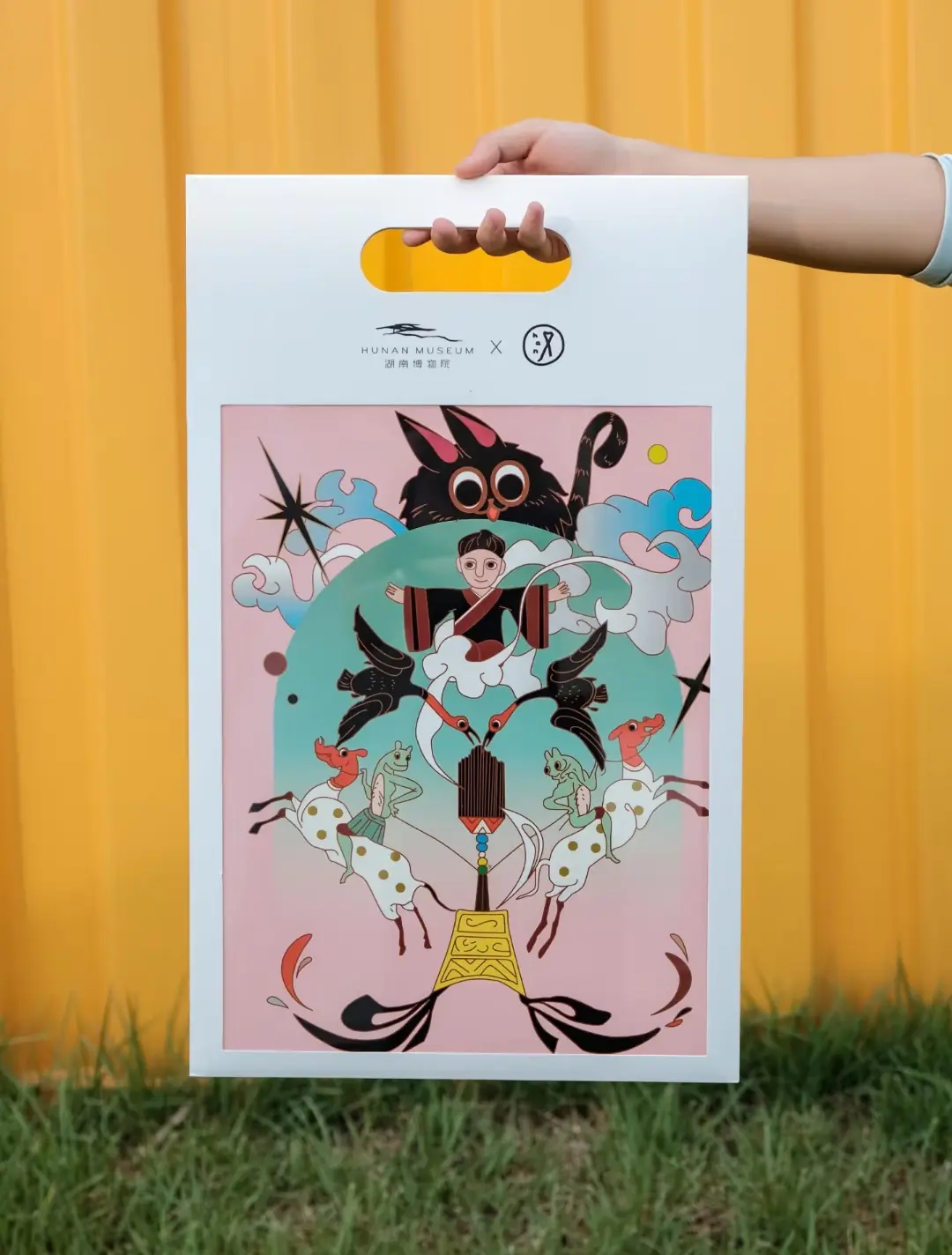
Miao miao is a curious and gentle explorer devoted to the stories behind cultural relics. She holds sincere reverence for the civilisation of the Western Han Dynasty. When facing cultural relics collected by Hunan Museum, she observes carefully and patiently interprets the subtle information carried by patterns, colours and craftsmanship. She hopes to share the stories of Mawangdui heritage in an approachable way, inviting audiences of all ages to feel the warmth and vitality hidden in cultural relics.
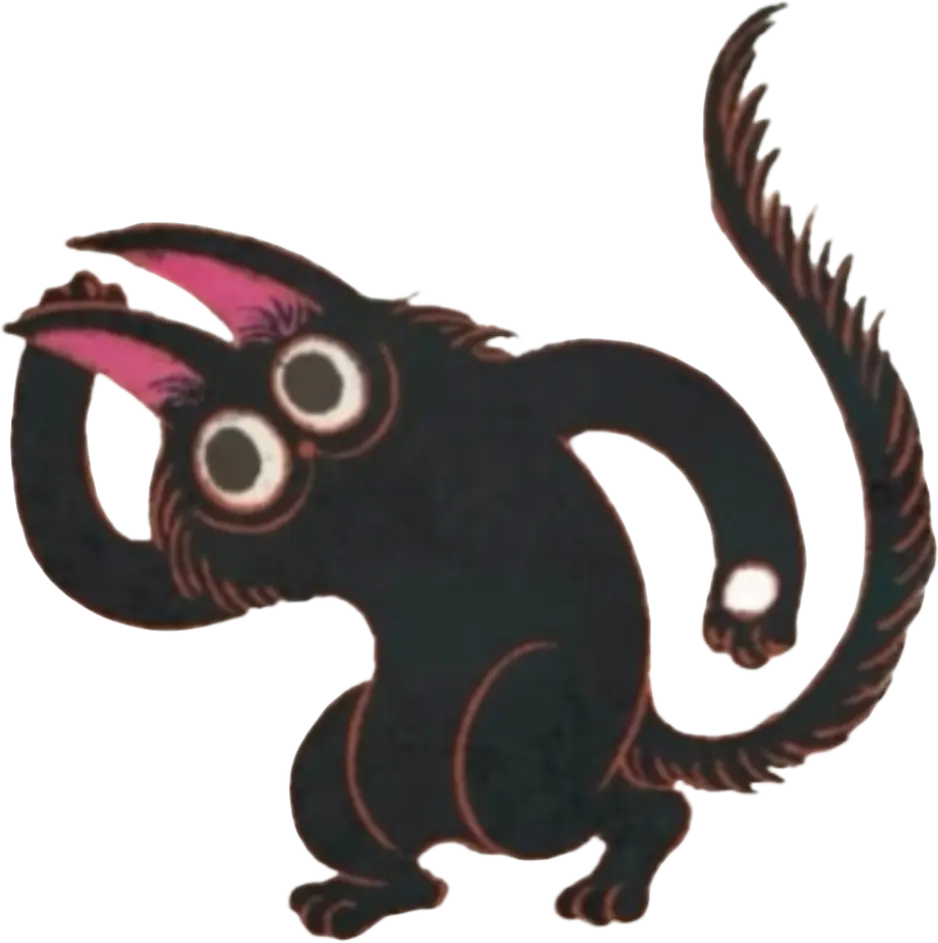
Miao miao originates from the cultural heritage of Mawangdui Han Tomb, the treasure collection of Hunan Museum. The Mawangdui excavations unearthed abundant lacquerware, silk fabrics and documents, representing the outstanding achievements of handicraft and art in the Western Han Dynasty. Inspired by these precious relics, Miao miao embarks on a journey to discover the Han Dynasty. As a cultural messenger, she bridges modern audiences and the Western Han civilisation unearthed at Mawangdui, helping visitors understand the splendid civilisation of ancient Hunan.
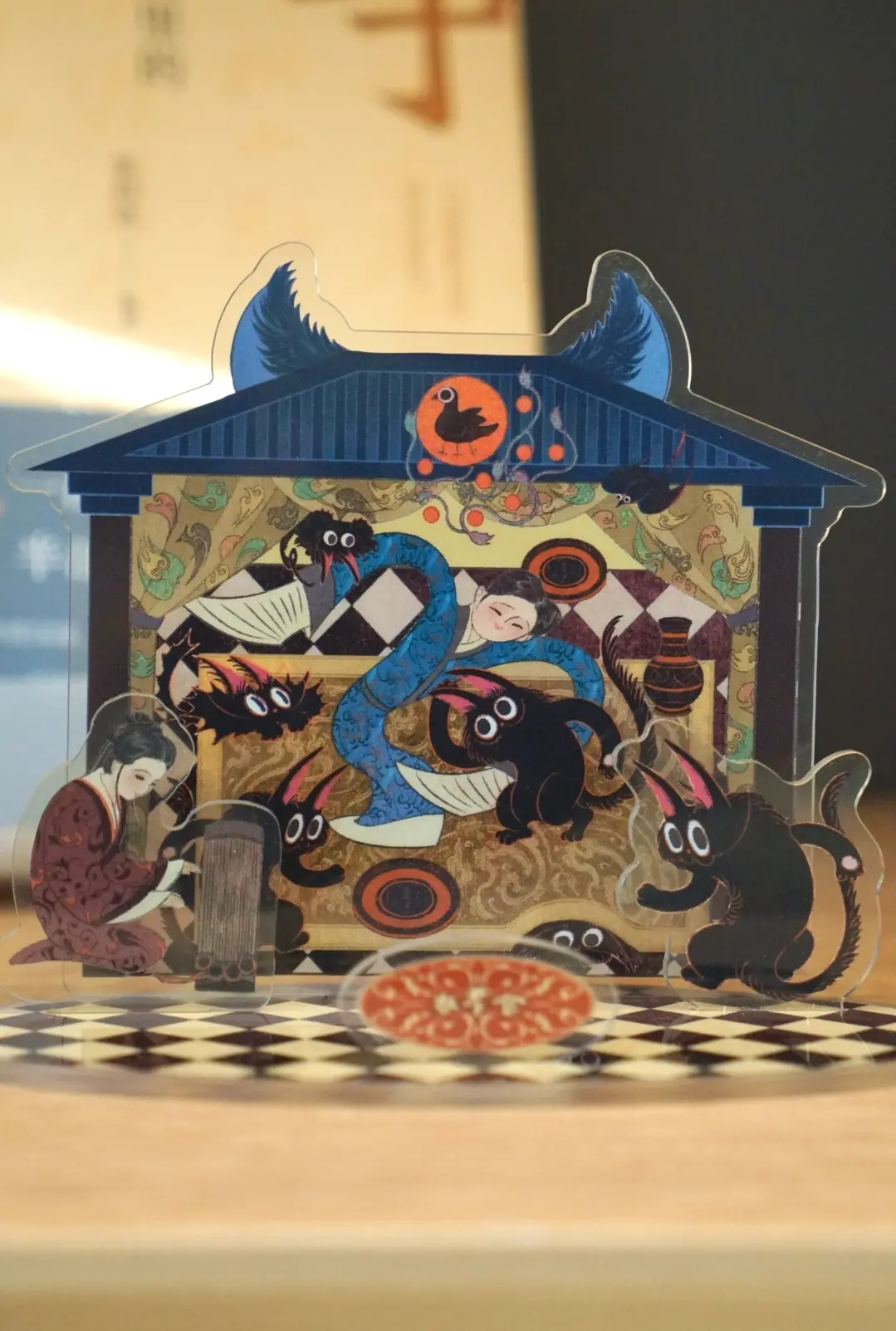

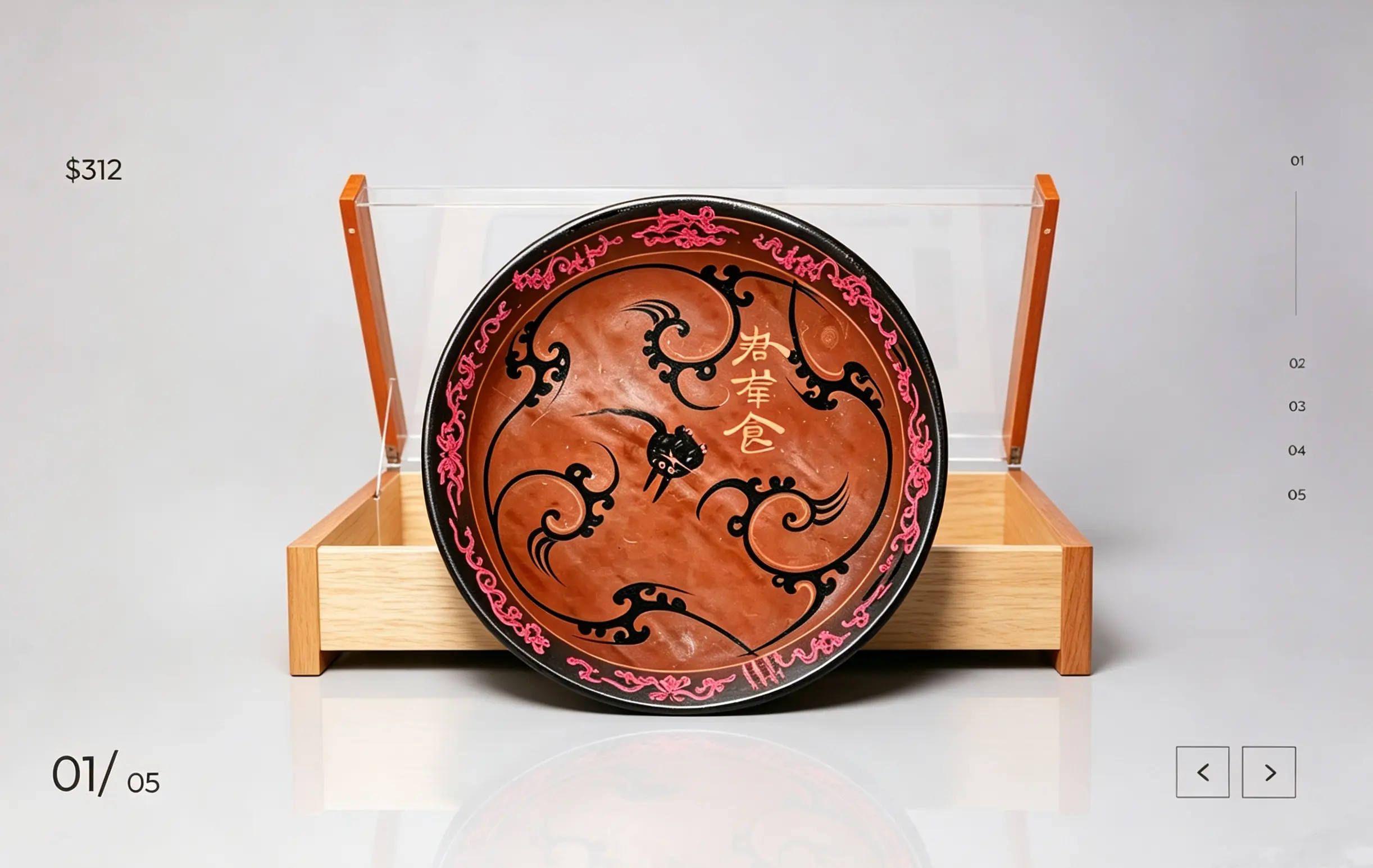
Miao miao's design extracts aesthetic elements from authentic Mawangdui relics, including the cloud scroll patterns, animal decorations and lacquer colour system of Western Han lacquerware. The design respects the original artistic characteristics of cultural relics while adopting contemporary visual language. It is not a simple copy of antique patterns, but a creative transformation of Han aesthetics. The IP aims to carry forward the heritage of Hunan Museum, make the art of the Western Han Dynasty accessible in daily life, and realise the inheritance of cultural heritage through modern cultural and creative products.
Miao miao's world takes the historical scene of Western Han Mawangdui as its foundation. In this world, cultural relics are not static exhibits behind glass display cases, but material witnesses of history. Through imagination, audiences can step into the life world of the nobles of the Western Han Dynasty, appreciate the aesthetic pursuit of ancient Hunan people, perceive the ancient wisdom preserved in relics, and establish emotional connection with the civilisation of Mawangdui. It encourages the public to explore cultural heritage and inherit Chinese traditional culture.
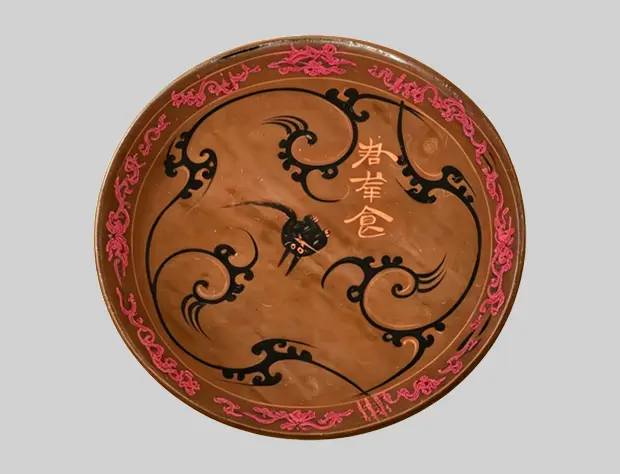
Lacquer Food Plate with Leopard Pattern Inscribed with "Jun Xing Shi"
the No. 1 Han tomb at Maoshangdu was unearthed.
the Western Han Dynasty
On her journey, Miaomiao meets precious Han-dynasty relics. Touch these 2,000-year-old objects to glimpse Western-Han craftsmanship and romance.
Card1
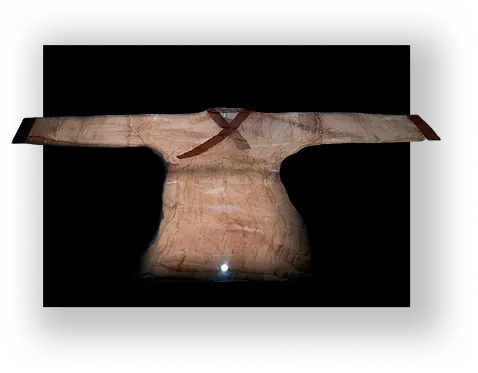
Plain-gauze Single-Layer Garment
Card2
Bronze
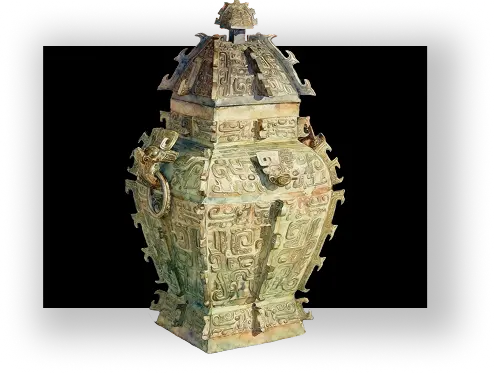
Square Lei of Min
Erquan
Card3
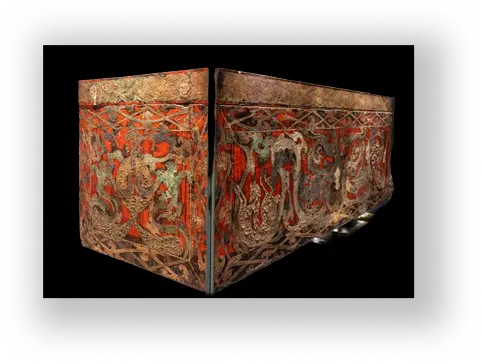
Red-Ground Painted Coffin
Card4
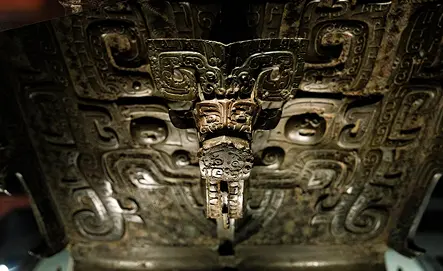
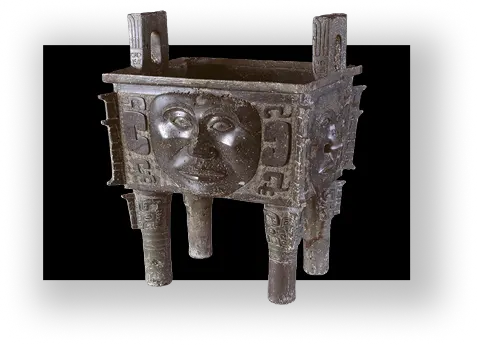
Dahe Square Ding with
Human-Face Patterns
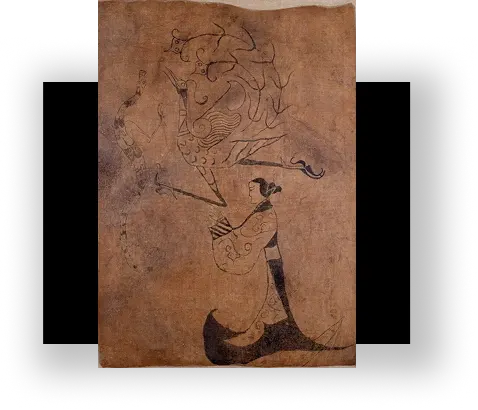
Card5
Card1
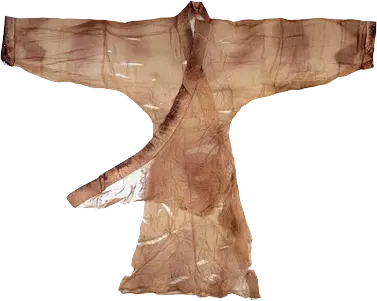
Early Western Han Dynasty (206 B.C. – 163 B.C.)
Unearthed from Tomb No.1 at Mawangdui, Changsha.
This straight-collar gauze garment weighs merely 49 grams with a fabric area of around 2.6 square meters. The gauze fabric is as thin as cicada wings and described in Han texts as "light as mist". It is one of the best-preserved earliest silk garments worldwide and a national first-class cultural relic. Scholars believe this translucent robe was worn over outer garments to create an elegant hazy aesthetic effect.
Card2
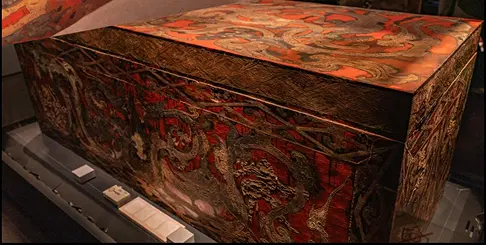
Early Western Han Dynasty, excavated from Mawangdui Tomb No.1.
This is the third inner coffin of Xin Zhui. Painted with bright red lacquer as background, the coffin surface is decorated with colourful paintings of dragons, tigers, phoenixes and immortals. The sophisticated lacquer painting reflects the superb artistic attainment of Western Han lacquer art.
Card3
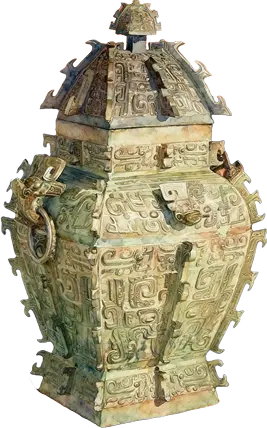
Late Shang Dynasty. Unearthed in 1919 in Taoyuan County, Hunan Province.
Known as "the King of Square Lei", it is the largest and most ornate bronze square lei surviving in China. The lid and body were separated for nearly a century before reuniting at Hunan Museum in 2014. Cast with dense cloud-thunder patterns and mythical creature decorations, this ritual vessel represents the pinnacle of Shang bronze craftsmanship.
Card4
Late Shang Dynasty, unearthed at Tanheli Site in Ningxiang, Hunan.
It is the only surviving bronze square ding in China decorated with human faces as the main ornament. Four identical human faces are cast on the four sides of the vessel. It is a national cultural relic prohibited from being exhibited overseas and a masterpiece of Shang bronze art from Hunan.